
PUBLISHED · GUIDE 18 OF 18
Document the complete object
Original photographs preserve the card and its background. Inspect edges, corners, surface and reverse before deciding on grading.
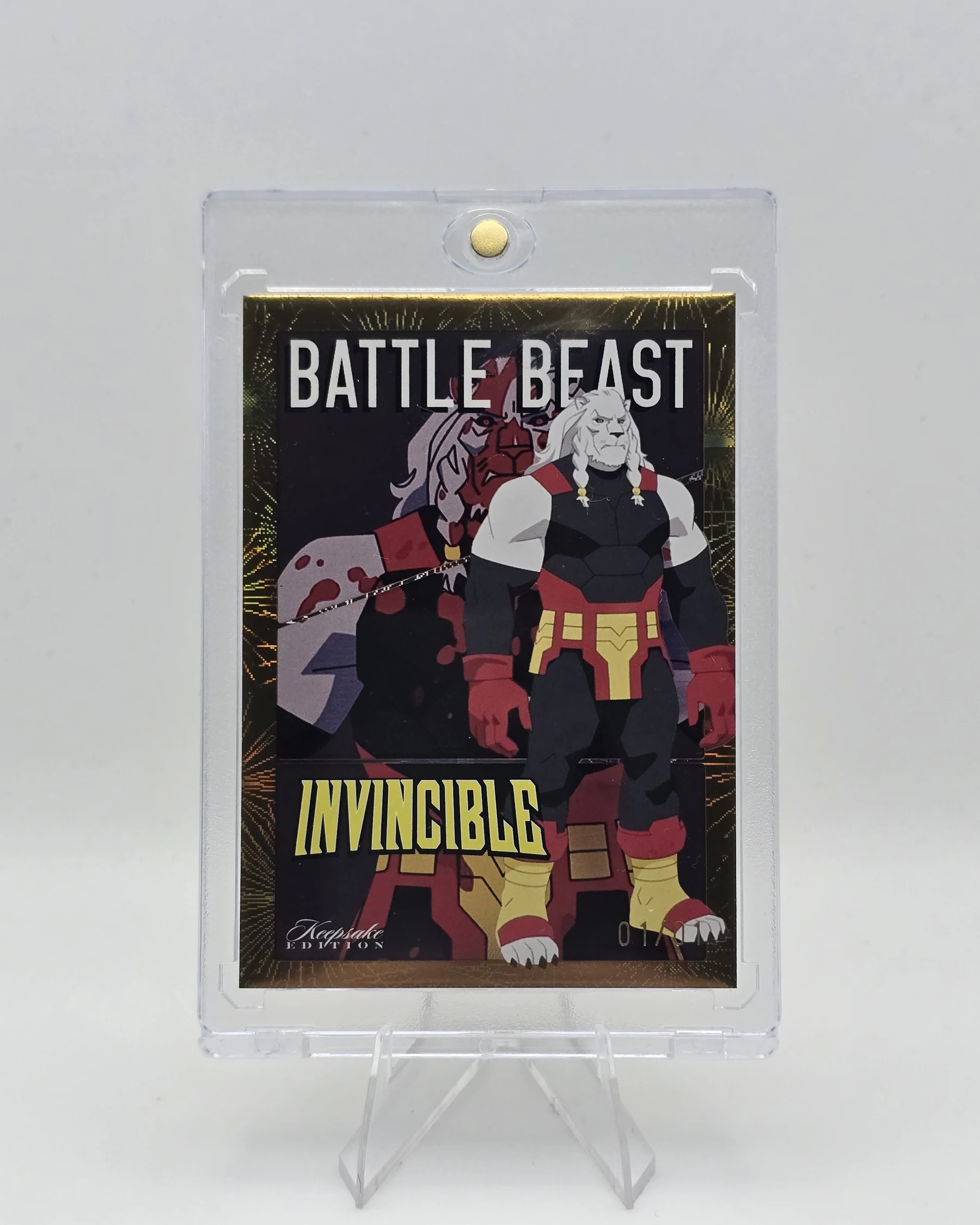
Front: inspect corners and surface.
Examine this item ↗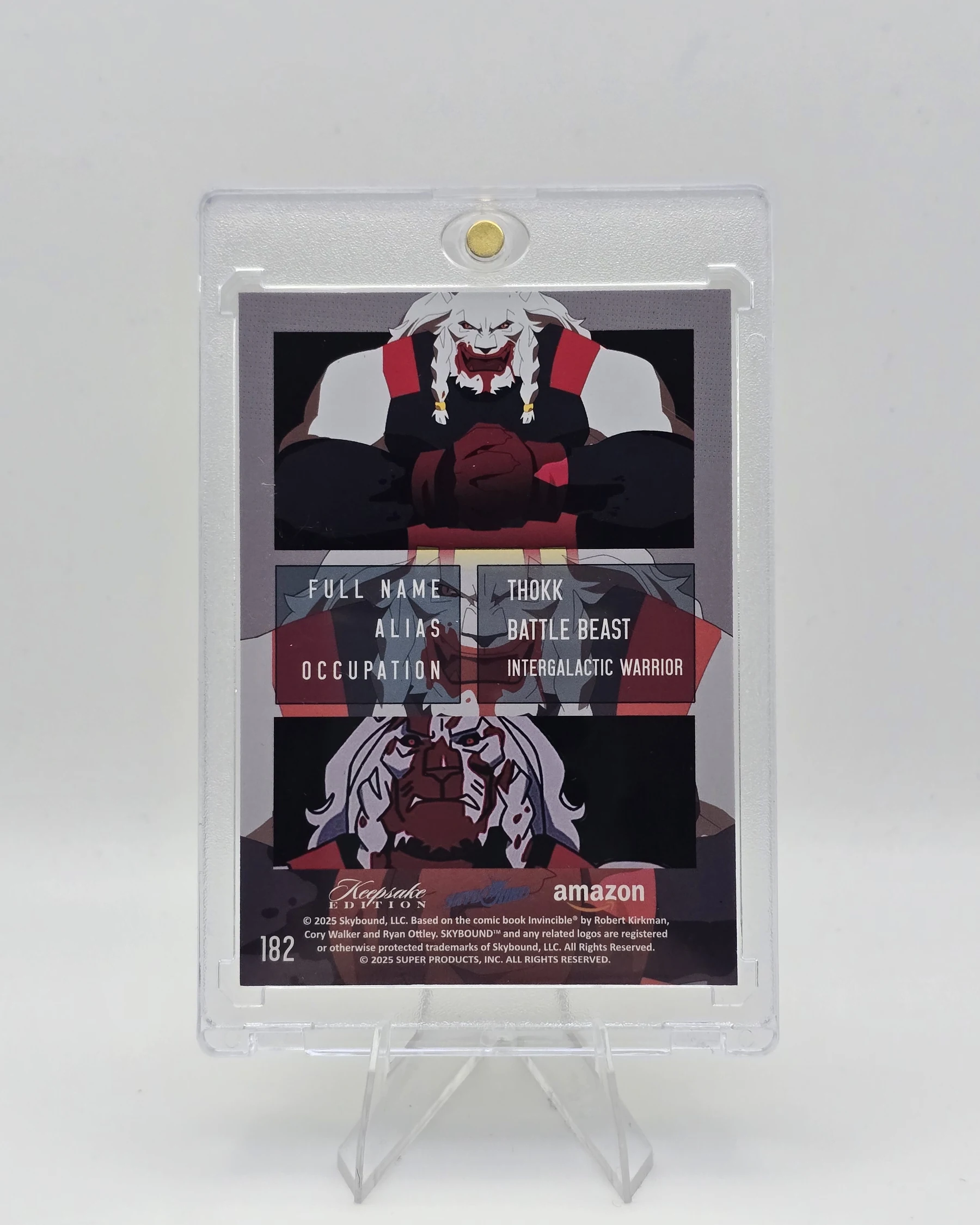
Reverse: inspect edges and printed details.
Examine this item ↗Three separate questions: identity, authenticity and condition
First identify the card: release, year, manufacturer, subset, card number, character and parallel. Then ask whether it is genuine and unaltered. Finally assess its physical condition. PSA explicitly separates authentication, which checks genuineness, from grading, which judges condition. A serial stamp or a familiar design helps identification but is not, by itself, a third-party authenticity finding.
Grading is useful when documentation, protection or buyer confidence matters to you, but it cannot guarantee a higher resale price. A low print run does not guarantee a perfect grade, and a numerical grade does not establish that the card is the most desirable version. Keep the description of what you own precise whether the card is raw, encased by the manufacturer or encapsulated by an independent grader.
Inspect the full front, back, corners and edges
Use clean hands and a stable, uncluttered surface. Without forcing a card out of its protection, look for centering, surface marks, print lines, dents, color changes, creases, chipped edges and corner whitening. PSA names centering, corners, focus, gloss and staining in its standards; CGC also describes corner, edge and surface thresholds. A glossy foil may hide defects in one lighting direction and show them in another, so examine it under soft light from several angles.
Ask for the actual card's complete front and back before purchasing. A photograph that clips an edge or crops off a corner cannot establish condition there. A clean digital crop is a presentation choice, not evidence that a printed card was trimmed. Conversely, digitally removing a scratch from a listing photo would misrepresent the card. Keep product borders and some of the original photo background visible when standardizing website images.
| Area | Look for | Photo to request |
|---|---|---|
| Front and reverse | Centering, stains, print lines, scuffs, gloss changes | Straight-on full view of both sides |
| Corners and edges | Whitening, chips, bends, uneven or altered cut | Four corner close-ups plus visible complete borders |
| Special construction | Relic-window wear, signature area, layered insert edges | Detail from more than one angle |
| Serial and label | Exact stamp, card number, set name, slab details | Readable serial and complete holder/label if graded |
Alteration is different from ordinary wear
PSA's standards list potential non-numeric outcomes for evidence of trimming, paper restoration, recoloring, questionable authenticity and other alteration. An unusually sharp edge is not automatically proof of trimming, just as a worn edge is not proof the card is fake; qualified examination matters. Do not cut, recolor, press, wax or chemically clean a card to chase a higher grade. Those changes can affect eligibility for a normal numeric grade and erase evidence a future buyer needs.
If a card has a complex relic window, unusual die-cut or manufacturer encasement, compare it with known examples from the same product before treating the unusual shape as damage. Keep the original packaging or sales record when available. Disclose any known alteration honestly in a listing, and let the grading company determine its label rather than predicting a numerical grade from photographs.
Verify graded holders, then keep checking the physical card
For a PSA-graded example, enter the certificate number on PSA's official verification page and compare the returned card details, grade and any available images with the offered holder. Inspect the actual slab for cracks, tampering and a mismatched label. PSA cautions on its own verification page that confirmation of a certificate number does not eliminate risk: counterfeiters can copy real numbers. A database match is one part of due diligence, not a universal authenticity guarantee.
A manufacturer's encased card and a third-party graded slab are different things. Battle Beast Spotlight, for example, is advertised as containing one encased numbered card per box; that does not mean the card has a PSA or CGC grade. When comparing listings, record whether 'encased' means original manufacturer packaging, and whether a separate authenticated numerical grade exists. If the holder is damaged or the label seems inconsistent, pause and ask for clearer evidence before paying.
Protect raw cards without creating new handling damage
PSA's submission instructions call for a clear penny sleeve followed by a semi-rigid holder for each submitted card. Follow the current grading service's instructions if you plan to submit; its shipping rules may differ from the holder you use for daily storage. Choose a correctly sized sleeve for a thicker relic, die-cut or unusually shaped insert so the card is not forced against a seam. Do not apply tape directly to a card or its protective sleeve opening where adhesive may catch an edge.
For general long-term preservation, the U.S. National Archives recommends avoiding damp basements, hot attics, water sources, unstable plastics and adhesives when storing paper photographs and documents. The material-specific advice is not a grading guarantee for modern trading cards, but the broad principle applies: stable, clean, cool, dry, dark storage is kinder to printed collectibles than sunlight or moisture. Keep cards upright or supported in archival-quality enclosures and check them periodically for condensation or pressure damage.
Photograph and catalog each card before it moves
Make a straight-on front and reverse image in even light, plus close-ups of the serial stamp, signature, relic or any condition issue. Note the date and whether the image shows a raw card, manufacturer case or third-party slab. Keep the original uncropped files: later web presentation can scale photos to a consistent frame while the originals preserve the card's entire printed edge and enough surrounding background to judge it fairly.
Log release, subset, checklist number, parallel, full serial stamp, acquisition source, condition notes and storage location. Do not copy an asking price into the acquisition-cost field, and do not call a reference value a completed sale. If an item in the archive lacks a photo, describe it as a record pending exact-copy verification. A good catalog is especially useful when several cards share the same character and color but belong to different sets.
Decide whether grading serves your goal
Before submitting, compare the likely grading fee, insured shipping and time without the card against your reason for grading. If you want a durable catalog and a professional opinion on condition, that may be valuable even without a resale plan. If the card is a common base copy, its total grading cost might exceed the price of another raw example. For a 1/1, a grade can describe condition but cannot create a directly comparable population of identical copies.
Keep the manufacturer's checklist and photos with your submission information so the card can be identified accurately. After it returns, update your catalog with the grading company, grade and certificate number without deleting the pre-submission condition photos. A graded card still needs sensible storage, protection from direct sun and periodic inspection of the holder. The practical goal is a trustworthy record of the exact card you have, not a prediction of a perfect grade.
Sources and checklists
Check manufacturer pages and official references for the current product details. Inventory and condition are confirmed for a specific item before purchase.